
Stricter FCC regulations targeting robocalls have significantly impacted Missouri's legal landscape, particularly for Spam call law firms. These rules prohibit automated calls to numbers on the National Do Not Call Registry without prior express consent, with non-compliance leading to substantial penalties. Increased consumer complaints and lawsuits in Missouri highlight the need for Spam call law firms to implement robust internal protocols, conduct regular training, and embrace best practices to avoid legal pitfalls. Consumers should be cautious about sharing contact information, review call logs, report spam calls, stay informed, and engage with reputable Spam call law firms specializing in consumer representation.
In today’s digital era, the persistent deluge of robocalls has become a ubiquitous nuisance, with many ending up as spam calls targeting consumers and businesses alike. Missouri, like other states, grapples with the challenge of balancing free speech rights with consumer protection against unwanted telemarketing practices. The Federal Communications Commission (FCC) plays a pivotal role in this landscape through its rulings on robocall regulations, which significantly impact legal strategies employed by both call centers and law firms specializing in spam call lawsuits in Missouri. This analysis delves into the intricacies of how these federal rulings shape local litigation, offering insights for practitioners navigating this complex area of law.
Understanding Federal Robocall Regulations in Missouri

The Federal Communications Commission (FCC) has implemented stringent regulations to curb robocall activity, significantly influencing Missouri’s legal landscape, particularly for Spam call law firms. These rules, designed to protect consumers from intrusive automated calls, have sparked a wave of lawsuits across the state, with Missourians taking action against violators. Understanding these federal robocall regulations is crucial for businesses and legal practitioners alike, as non-compliance can lead to substantial penalties and court orders.
Missouri, like many states, has witnessed an influx of spam calls, prompting increased consumer complaints. The FCC’s Do Not Call Registry and the Telephone Consumer Protection Act (TCPA) offer a framework for addressing this issue. These laws prohibit automated telephone equipment from making calls to numbers on the National Do Not Call Registry without prior express consent. Furthermore, businesses must obtain explicit permission before initiating robocalls, ensuring compliance with Missouri’s consumer protection laws. For instance, a 2022 case in St. Louis showcased how a law firm faced legal repercussions for calling a consumer without proper authorization, underscoring the strict enforcement of these regulations.
Experts suggest that to steer clear of legal pitfalls, Spam call law firms Missouri should implement robust internal protocols for obtaining consent and documenting caller activity. Regular training sessions on compliance matters can help employees stay abreast of evolving regulations. By embracing best practices, these firms can minimize the risk of Missouri lawsuits and protect their clients’ interests in an increasingly regulated environment.
Impact on Spam Call Lawsuits: A Legal Perspective

The Federal Communications Commission (FCC) has significantly shaped communication laws, particularly regarding robocalls, through recent rulings. These decisions have had a profound impact on spam call lawsuits across the United States, including Missouri. When it comes to spam calls, Missouri’s legal landscape has evolved, presenting both challenges and opportunities for local plaintiffs and Spam call law firms Missouri.
One key ruling, known as the “No Retaliation” order, prohibits companies from taking adverse actions against consumers who file complaints about automated telemarketing calls. This has empowered Missouri residents to take legal action without fear of retaliation. As a result, spam call law firms Missouri have witnessed an increase in clients seeking redress for unwanted calls. For instance, data from the FCC shows that consumer complaints about robocalls have surged, indicating a higher level of awareness and enforcement among consumers.
Moreover, the FCC’s rules require telemarketers to obtain explicit consent before making automated calls, known as the “Do-Not-Call” rule. Non-compliance can lead to substantial fines, providing a robust legal foundation for Missouri plaintiffs. Spam call law firms in Missouri are leveraging these regulations to pursue cases against violators, ensuring that businesses adhere to stringent communication standards. By holding companies accountable, these lawsuits not only protect consumers but also promote fair business practices, fostering a more transparent and ethical marketplace.
Springfield's Role: Enforcing Missouri's Anti-Spam Laws
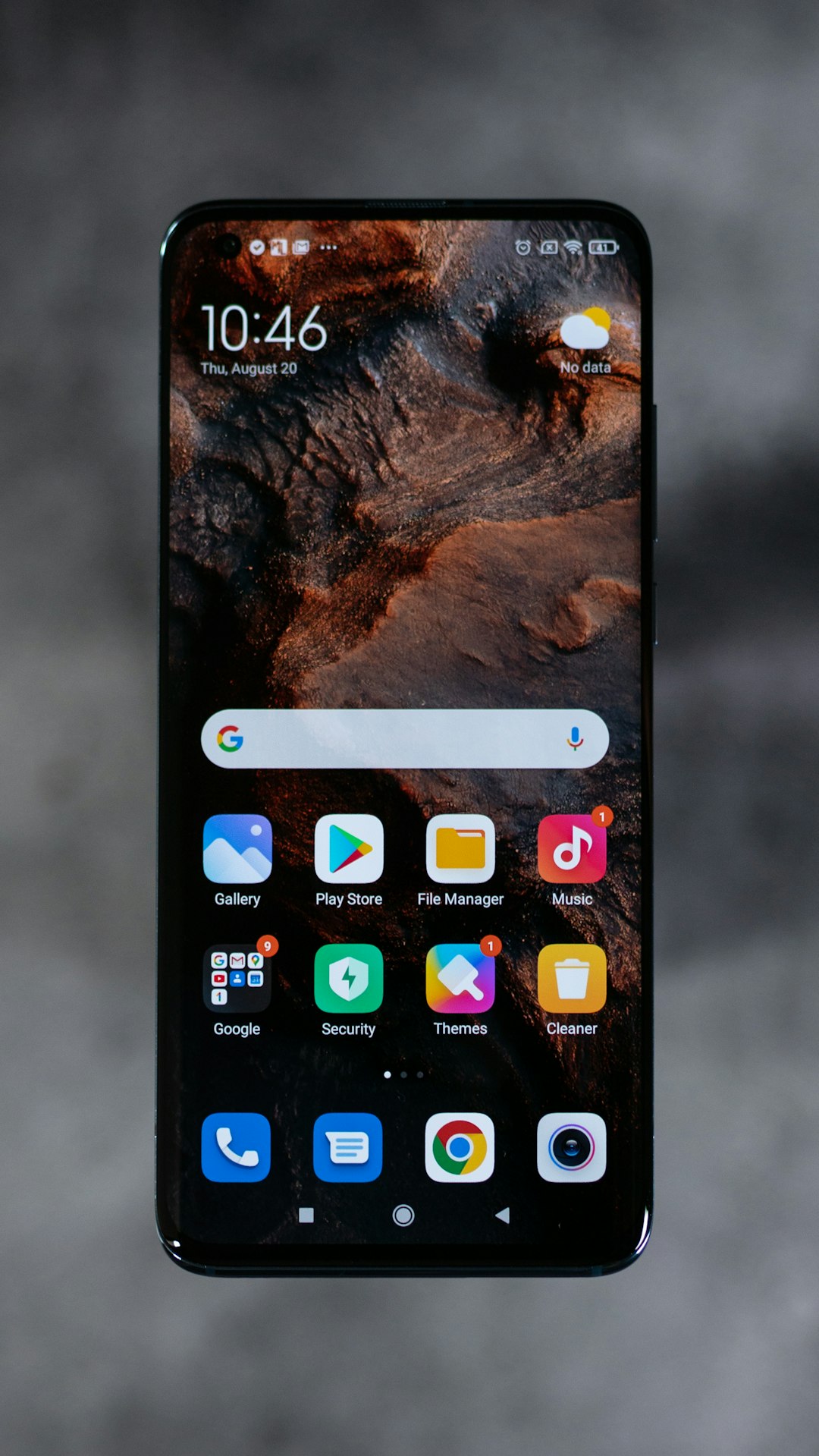
Springfield, Missouri, plays a pivotal role in enforcing the state’s anti-spam laws, particularly when it comes to federal robocall rulings. As one of the busiest hubs for phone communications, the city has seen firsthand the impact of unsolicited calls on residents and businesses. Local law enforcement agencies, in collaboration with state regulators, have been at the forefront of combating spam call law firms Missouri has witnessed a surge in such cases.
The rise in robocalls has prompted the Federal Communications Commission (FCC) to implement stricter regulations, which directly influence Missouri’s approach to spam protection. When federal rulings are enforced, Springfield’s legal system must adapt quickly to address new challenges. For instance, the recent implementation of the Telephone Consumer Protection Act (TCPA) amendments has resulted in more stringent penalties for violators, encouraging local attorneys and law firms to specialize in these complex cases. This shift has led to an increased focus on consumer privacy and a more robust legal response to spam calls.
Practical considerations for Missouri’s legal community include staying abreast of changing federal regulations and adapting strategies accordingly. Law firms specializing in this area can provide invaluable assistance to clients facing robocall lawsuits, offering expertise in navigating the intricate web of anti-spam legislation. By understanding the evolving landscape, attorneys can offer proactive solutions, ensuring their clients’ rights are protected and helping to maintain a fair and regulated communications environment in Missouri.
Strategies for Missouri Residents: Protecting Against Robocalls

In Missouri, the proliferation of robocalls has prompted a surge in legal action against Spam call law firms. With a growing awareness of privacy rights, Missouri residents are increasingly taking proactive measures to protect themselves from these unwanted intrusions. The impact of federal robocall rulings on state-level lawsuits has been profound, shaping strategies employed by both consumers and legal professionals alike.
Missouri’s approach to tackling robocalls is deeply influenced by the federal Telephone Consumer Protection Act (TCPA) and subsequent interpretations by courts. Key provisions of the TCPA prohibit automated or prerecorded calls to mobile phones without prior express consent. This has led to a flourishing of class-action lawsuits, with Missouri residents joining forces to combat Spam call law firms that invade their privacy. A notable example is the recent settlement involving a national telemarketing company, where thousands of Missourians received compensation for unauthorized robocalls.
To protect themselves, Missouri residents should familiarize themselves with the state’s specific anti-robocall laws and take proactive steps. This includes being cautious about sharing contact information, reviewing call logs regularly to identify suspicious activity, and reporting spam calls to relevant authorities. Moreover, staying informed about legal developments related to robocalls is crucial. Engaging with reputable Spam call law firms that specialize in representing consumers against such practices can offer valuable guidance and protection. By combining individual vigilance and expert legal assistance, Missouri residents can mitigate the impact of robocalls and reclaim control over their communication channels.