Robocall scams targeting Jefferson City residents have become a growing concern. Missouri offers legal recourse through the Attorney General's Office and the Telephone Consumer Protection Act (TCPA). Residents can protect themselves by:
– Being vigilant when answering unknown calls.
– Avoiding providing personal or financial details unless caller identity is verified.
– Utilizing call-blocking apps and registering for the national "Do Not Call" list.
Victims of robocall scams may sue for damages up to $500 per violation, trebled if willful. Documenting calls meticulously and consulting a consumer protection attorney are crucial steps.
Robocalls have become a pervasive nuisance for Jefferson City residents, with unscrupulous callers employing sophisticated scams to target area households. These automated phone calls often masquerade as legitimate business offers or government alerts, preying on citizens’ trust and vulnerability. The prevalence of these fraudulent activities has reached alarming levels, leaving many Jefferson City folks questioning their privacy and safety. This article delves into the most common robocall scams affecting our community, offering insights to help residents recognize and protect themselves from potential threats. We also explore legal options available in Missouri, including whether you can sue for robocalls, providing essential knowledge to empower citizens in this digital age.
Understanding Robocall Scams Targeting Jefferson City

Robocall scams targeting Jefferson City residents have become an increasingly prevalent concern, with fraudsters employing sophisticated techniques to deceive and exploit local phone users. These automated calls often masquerade as legitimate organizations or government agencies, preying on citizens’ trust and urgency. Common themes include claims of winning a prize, urgent tax issues, or false warnings about legal implications, all designed to pressure recipients into providing personal information or making payments.
Jefferson City’s location within Missouri, a state with robust consumer protection laws, offers some recourse for victims. Can I sue for robocalls in Missouri? Absolutely. The Missouri Attorney General’s Office actively prosecutes telephone fraud, and residents have legal standing to file complaints against these malicious calls. For instance, in 2022, the office successfully sued a national robocall operation that had bombarded Missourians with false tax claims, leading to millions of dollars in refunds for affected citizens. This demonstrates the state’s commitment to protecting its residents from such scams.
Practical advice for Jefferson City locals involves being vigilant and cautious when answering calls from unknown numbers. Never provide personal or financial details unless you can verify the caller’s identity and legitimacy. Most reputable organizations will not pressure you into immediate decisions over the phone. Additionally, utilizing call-blocking apps and registering your number on national “Do Not Call” lists can offer some protection. By staying informed and proactive, Jefferson City residents can better defend themselves against these insidious robocall scams.
Common Types of Robocall Fraud in Missouri

Robocall fraud is a prevalent issue affecting Jefferson City residents, with criminals leveraging automated phone systems to make unsolicited calls, often with malicious intent. In Missouri, specific types of robocall scams have been identified, targeting everything from personal information to financial data. One common tactic involves calls claiming to be from government agencies or reputable companies, demanding immediate action and threatening consequences if the recipient doesn’t provide sensitive details. Scammers may pose as IRS agents, bank representatives, or even local utility providers, creating a sense of urgency to trick individuals into divulging passwords, social security numbers, or bank account information over the phone.
Another prevalent scheme involves pre-recorded messages promoting low-interest loans or free trials, which upon response, lead to charges for services never requested. These calls often target older adults and those less familiar with modern communication methods. In some cases, scammers impersonate local businesses, claiming outstanding bills or legal issues, aiming to extort money from unsuspecting Missourians. The rise of voice over internet protocol (VoIP) technology has made it easier for fraudsters to mask their identities, making these scams increasingly difficult to trace and stop.
For Jefferson City residents facing such fraudulent robocalls, understanding the laws can provide some recourse. In Missouri, Can I Sue For Robocalls is a valid consideration when dealing with persistent or malicious calls. The Telephone Consumer Protection Act (TCPA) prohibits automated calls made without prior consent, and violators can be held liable for damages. If you’ve received unwanted robocalls, document the calls, including dates, times, and any recorded messages. This evidence can be crucial in pursuing legal action against the perpetrators. Consulting with an attorney specializing in consumer protection law is recommended to understand your rights and explore options for recouping losses or stopping future harassment.
Your Rights: Can I Sue For Robocalls Missouri?
In Jefferson City, as across Missouri, residents increasingly face a surge of unwanted robocalls, understanding your rights and legal recourse is more critical than ever. While many states have enacted measures to combat these intrusions, the specific legal landscape regarding Can I Sue For Robocalls Missouri varies significantly. The Telephone Consumer Protection Act (TCPA) provides a robust framework for consumers to assert their rights against unwanted calls, yet navigating the complexities of filing a lawsuit can be daunting.
In recent years, numerous class-action lawsuits have been brought against businesses engaging in deceptive robocall practices, resulting in substantial financial settlements. For instance, a 2020 case saw a company fined $5 million for violating TCPA regulations by making thousands of unwanted calls to consumers across the country, including Missouri residents. This underscores the potential for significant monetary damages when businesses violate consumer privacy laws. However, individual consumers who experience persistent or harassing robocalls may face challenges in pursuing legal action due to the costs and complexities involved.
Despite these hurdles, Missouri residents have options. Legal experts advise documenting each incident, including the caller’s identity, call frequency, and any recorded messages. This evidence can be invaluable when filing a complaint with regulatory bodies like the Federal Communications Commission (FCC) or initiating legal proceedings in state courts. While Can I Sue For Robocalls Missouri may seem daunting, proactive measures and a solid understanding of your rights are crucial steps in protecting against these intrusive practices.
Protecting Yourself: Strategies Against Robocall Scams
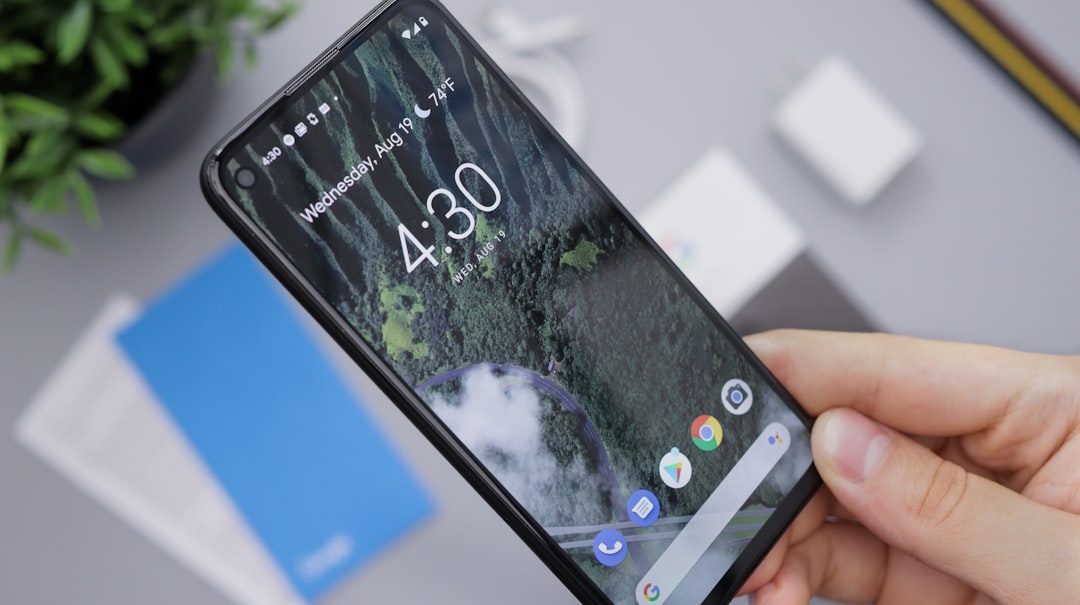
Robocall scams have become a prevalent issue for Jefferson City residents, with scammers utilizing automated technology to make unsolicited calls, often with deceptive or malicious intent. These fraudulent activities can range from selling unnecessary products to attempting identity theft. Protecting yourself against these scams is essential, as many of these tactics are designed to intimidate and exploit the average person. One of the first lines of defense is to remain vigilant; be cautious when answering unknown calls and do not feel pressured to provide personal information over the phone.
Many robocall scams operate under a sense of urgency, demanding immediate action or threatening consequences. It’s crucial to remember that legitimate organizations will rarely use aggressive sales tactics or create a feeling of desperation during communication. If you receive a suspicious call, hang up and do not engage. Then, report the number to local authorities and relevant consumer protection agencies. The Federal Trade Commission (FTC) offers tools and resources for tracking and blocking robocalls, providing valuable assistance in combating these fraudulent activities. Additionally, many states, including Missouri, have implemented Do Not Call registries that can help curb unwanted calls.
One effective strategy is to register your phone number on the national “Do Not Call” registry. While this may not block all robocalls, it significantly reduces the frequency of unsolicited calls. Moreover, being proactive and educating yourself about common scamming tactics can empower you to recognize and avoid potential threats. If you’ve suffered financial loss due to a robocall scam in Missouri, consulting with legal professionals who specialize in consumer protection may be beneficial. Understanding your rights and options, including potential legal action under Missouri’s consumer protection laws, can help victims seek justice and recover losses.
Navigating Legal Action for Robocall Violations
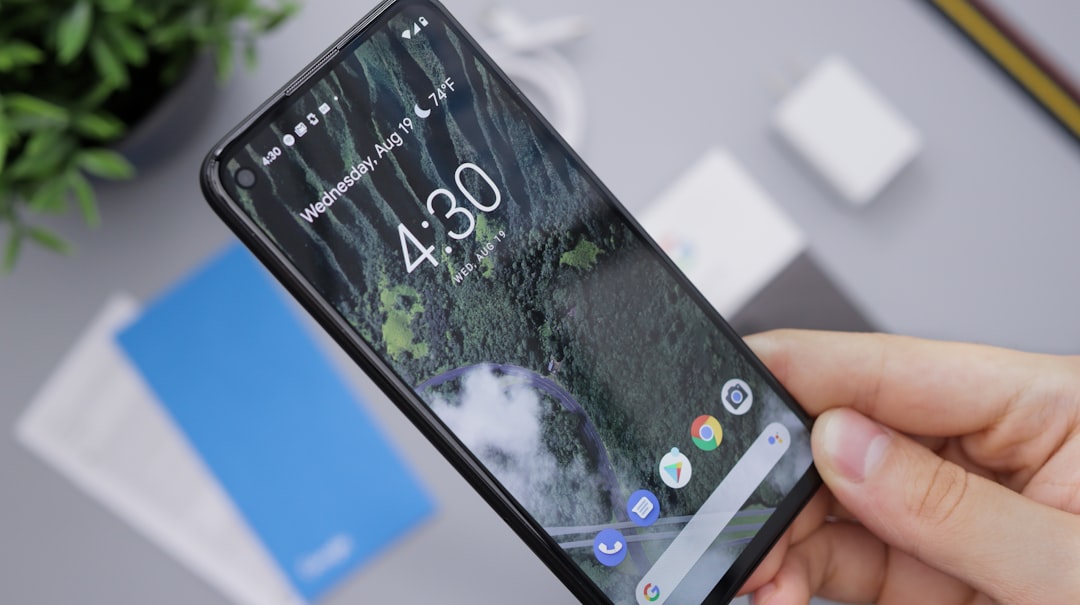
In Jefferson City, as across Missouri, robocalls have become an increasingly common nuisance, often masking fraudulent schemes targeting residents. While state and federal laws exist to curb these automated calls, such as the Telephone Consumer Protection Act (TCPA), navigating legal action for robocall violations can be complex. The first step is identifying whether a call was indeed illegal—for instance, unsolicited marketing calls or those using prerecorded messages without clear opt-out options. If a Jefferson City resident believes they’ve been targeted by an illegal robocall, they have legal avenues to explore.
Legal action against robocallers can involve suing for damages, which may include monetary compensation for each violation. The TCPA allows for individual consumers to seek up to $500 in damages per violation, with treble damages (up to three times that amount) if the caller is found to have acted willfully or intentionally. This has resulted in substantial settlements against robocallers and their companies, demonstrating the potential impact of collective action. For example, recent cases in Missouri have seen individuals receiving thousands of dollars for each illegal call received. However, pursuing legal action requires careful documentation of calls, including dates, times, and any recorded interactions.
Consulting with an attorney specializing in consumer protection law is crucial for navigating this process effectively. Legal professionals can guide residents through the complexities of filing a lawsuit, ensuring proper adherence to legal procedures and deadlines. They can also help negotiate settlements or represent clients in court if necessary. While Can I Sue For Robocalls Missouri is a common query, it’s essential to seek professional advice tailored to each case’s unique circumstances. This ensures that rights are protected and the best possible outcome is pursued.