In Missouri, robocalls are a common nuisance, but state laws offer protection. The Telephone Consumer Protection Act (TCPA) restricts automated calls unless permitted, with enhanced state registries providing extra safeguards. Individuals can take legal action against unlawful robocall practices, including filing private lawsuits and seeking class-action settlements. Springfield seniors face challenges from unwanted calls but have access to blocking tools like TrueCall and NoCall. Service providers are implementing call-blocking features, and Missouri consumers can pursue legal action under state and federal laws. Persistent robocalls despite expressing disinterest or being on the Do Not Call Registry may warrant legal action, with potential deterrence of aggressive telemarketing practices. Can I Sue For Robocalls Missouri? Yes, gathering evidence and consulting an attorney specializing in consumer protection law is recommended.
In today’s digital age, unwanted robocalls have become a persistent nuisance for residents across Springfield, Missouri. These automated phone calls, often promoting products or services, can be disruptive and even harmful to seniors, who may struggle with the sudden intrusions. The problem is especially acute for an aging population that relies on clear communication channels. This article delves into the world of senior-specific robocall blocking tools available in Springfield, providing a comprehensive guide to mitigate this growing concern. Understanding your legal rights, specifically regarding Can I Sue For Robocalls in Missouri, is also essential knowledge for any resident facing this issue.
Understanding Robocalls in Missouri: Legal Perspective

In Missouri, as in many states across the nation, robocalls have become a persistent and often unwanted nuisance for residents. These automated phone calls, designed to deliver pre-recorded messages en masse, can include marketing offers, political messages, or even scam attempts. While they may seem like an inevitable part of modern communication, understanding the legal perspective surrounding robocalls is crucial, especially when considering options for protection. Missouri has specific laws in place to address this issue, offering insights into how residents can defend themselves against unsolicited phone calls.
The Telephone Consumer Protection Act (TCPA) serves as a cornerstone of federal legislation aimed at curbing abusive robocall practices. This law prohibits automated phone systems or prerecorded messages from calling telephone numbers listed on the National Do Not Call Registry unless specifically permitted by the recipient. Interestingly, Missouri has its own enhanced version of this registry, providing residents with additional safeguards. Anyone in Missouri can register their phone number on both state and federal do-not-call lists to curb unwanted calls. However, it’s important to note that not all robocalls are illegal. Some organizations, like political campaigns or charitable organizations, may still contact registered numbers for fundraising or informational purposes if they have obtained prior express consent from the caller.
For Missourians who believe they’ve been victimized by unlawful robocall practices, exploring legal avenues is a viable option. The TCPA allows individuals to take action against violators by filing a private lawsuit, seeking damages and injunctive relief. These lawsuits can be particularly effective in holding companies accountable for their automated calling campaigns. For instance, numerous class-action settlements have resulted from robocall lawsuits, providing financial compensation to affected consumers. This not only discourages abusive calling practices but also offers a measure of justice for those who’ve suffered harassment or financial loss due to unwanted phone calls. By understanding their rights and the legal framework surrounding robocalls, Missouri residents can take proactive steps to minimize such intrusions.
Senior Safety: Identifying and Blocking Unwanted Calls

Senior citizens often face a unique challenge in the digital age – unwanted robocalls. These automated phone calls, while legal in many cases, can be intrusive and cause significant distress, especially for seniors who may rely on their phones as their primary means of communication. Springfield residents have access to various tools designed to enhance senior safety by blocking these nuisance calls.
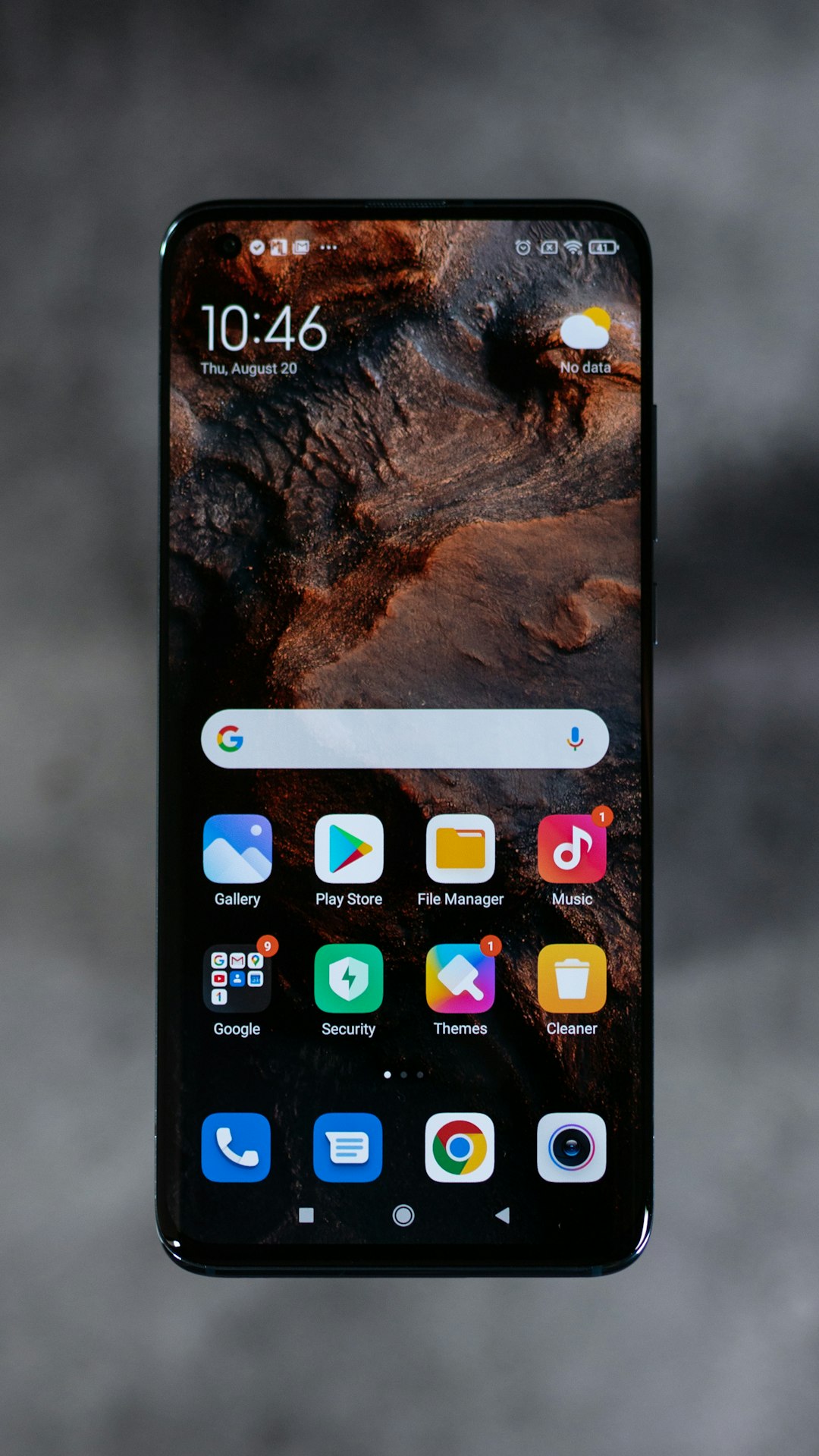
One effective strategy is utilizing dedicated robocall-blocking applications. These apps employ sophisticated algorithms to identify and filter out automated phone systems, allowing only genuine human callers through. For instance, popular options like TrueCall or NoCall offer real-time call screening, providing seniors with peace of mind while they manage their calls. Moreover, many of these tools are user-friendly, featuring simple interfaces that allow users to block specific numbers or types of calls easily. In Missouri, where the legality of robocalls is strictly regulated, such measures can provide an additional layer of protection against potential fraud or scams.
However, it’s important to note that while blocking tools are a powerful defense, they are not foolproof. Scammers and phone spammers are constantly adapting their techniques. Therefore, seniors should stay informed about the latest trends in robocall technology and be vigilant. In cases where repeated unwanted calls originate from a specific number or entity, individuals may consider legal action under Missouri’s consumer protection laws, which include provisions against deceptive telemarketing practices. Consulting with an attorney specializing in telecommunications law can help determine if a lawsuit for robocalls is warranted.
Top Robocall Blocking Tools for Springfield Residents

In Springfield, as across the nation, robocalls remain a persistent nuisance for senior citizens. These automated calls, often from unknown sources, can be intrusive and distressing, with many seniors questioning their privacy rights and legal options. Fortunately, robust tools designed specifically to block robocalls are available, offering residents much-needed relief.
Among the top-rated options, call-blocking applications have proven highly effective. Apps like TrueCall or NoMo Robocalls not only filter out known spam calls but also utilize machine learning algorithms to adapt and improve over time. These tools often integrate seamlessly with existing smartphone features, allowing seniors to manage their calling experience independently. For instance, a recent study by the Federal Trade Commission (FTC) revealed that robocall complaints have surged among older adults, highlighting the urgent need for such solutions.
Moreover, many service providers now offer built-in call-blocking features or partnerships with blocking software companies. For example, some phone carriers have introduced automated spam filtering at the network level, significantly reducing the volume of unwanted calls. Additionally, local consumer protection agencies in Missouri emphasize that residents have legal recourse against persistent robocallers; under state and federal laws, including the Telephone Consumer Protection Act (TCPA), individuals can sue for damages caused by unauthorized or nuisance calls. By combining cutting-edge technology with awareness of their rights, Springfield seniors can reclaim control over their communication channels.
Can You Sue for Robocalls? Exploring Your Rights in MO

In Springfield, Missouri, as across the nation, unwanted robocalls have reached epidemic levels, leading many seniors to question if they can sue for robocalls. The ability to take legal action against these automated phone calls depends on various factors, including state laws and the specific circumstances of each case. Missouri residents have certain protections under state law, but it’s crucial to understand the nuances before considering litigation.
Missouri has implemented robust regulations regarding telemarketing practices. The Missouri Attorney General’s Office oversees compliance with these rules, which include restrictions on automated phone calls, also known as robocalls, made without prior explicit consent. If a senior in Springfield has consistently received robocalls despite expressing clear disinterest or being on the Do Not Call Registry, they may have a valid case for legal action. For instance, a 2022 report by the Federal Trade Commission (FTC) revealed that over 45 million robocall complaints were filed nationwide, indicating a widespread issue that many Missourians face.
Can I sue for robocalls in Missouri? Absolutely, if these calls violate state laws. Seniors who feel they’ve been targeted unfairly can gather evidence, including call records and any communications with the telemarketers, to build a case. Consulting with an attorney specializing in consumer protection law is essential to understand one’s rights and options. While suing may not always be the quickest solution, it can serve as a powerful deterrent for companies engaging in aggressive or illegal robocall practices.